

Why the biggest barrier to commercial solar isn’t technology, it’s finance
Across the UK, large commercial and industrial businesses are accelerating their transition to on-site renewable energy.
Projects like Iceland Foods’ multi-site rooftop solar rollout, now generating over 3MW of clean electricity across two distribution centres alone, demonstrate what’s possible when organisations move decisively.
But while deployment is increasing, one critical question remains:
Are businesses choosing the right way to finance solar?
The Real Decision Isn’t Solar – It’s Strategy
For CFOs, Sustainability Directors, and Asset Managers, solar is no longer just an environmental initiative.
It’s a financial and operational decision.
As highlighted in Ortus Energy’s latest whitepaper, the choice between CAPEX, asset finance, and Power Purchase Agreements (PPAs) fundamentally shapes:
- Cash flow and balance sheet impact
- Exposure to operational and performance risk
- Speed of deployment
- Long-term cost outcomes
In other words, the same solar system can deliver very different results depending on how it’s funded.
Why PPAs Are Gaining Momentum
Increasingly, large energy users are turning to fully funded solar PPAs.
Why?
Because they align with three core commercial priorities:
1. Preserve Capital
Rather than committing significant upfront investment, businesses can deploy solar with £0 capex, keeping capital focused on core operations.
2. Reduce Risk
Under a PPA, the developer owns and operates the system, transferring performance, maintenance, and operational risk away from the business.
3. Deliver Immediate Savings
Electricity is purchased at a discount to grid prices, meaning cost savings begin from day one.
A Shift in How Businesses Think About Energy
Historically, on-site generation meant ownership.
Today, that’s changing.
Modern PPAs allow organisations to:
- Treat energy as an operational cost, not a capital project
- Lock in long-term price certainty
- Accelerate decarbonisation without complexity
This shift is being driven by real-world pressures:
- Volatile energy markets
- Constrained capital budgets
- Increasing ESG and net zero commitments
As a result, solar is no longer a “nice to have”, it’s becoming a core part of commercial energy strategy.
But PPAs Aren’t the Only Option
While PPAs are growing in adoption, they’re not always the right choice for every organisation.
CAPEX and asset finance models still play a role, particularly where:
- Businesses want full asset ownership
- Internal capital is available
- Long-term return optimisation is the priority
The challenge is understanding the trade-offs between cost, control, and risk.
Because choosing the wrong model can:
- Tie up capital unnecessarily
- Introduce operational complexity
- Delay or even prevent project delivery
The Bigger Opportunity: Unlocking Underused Assets
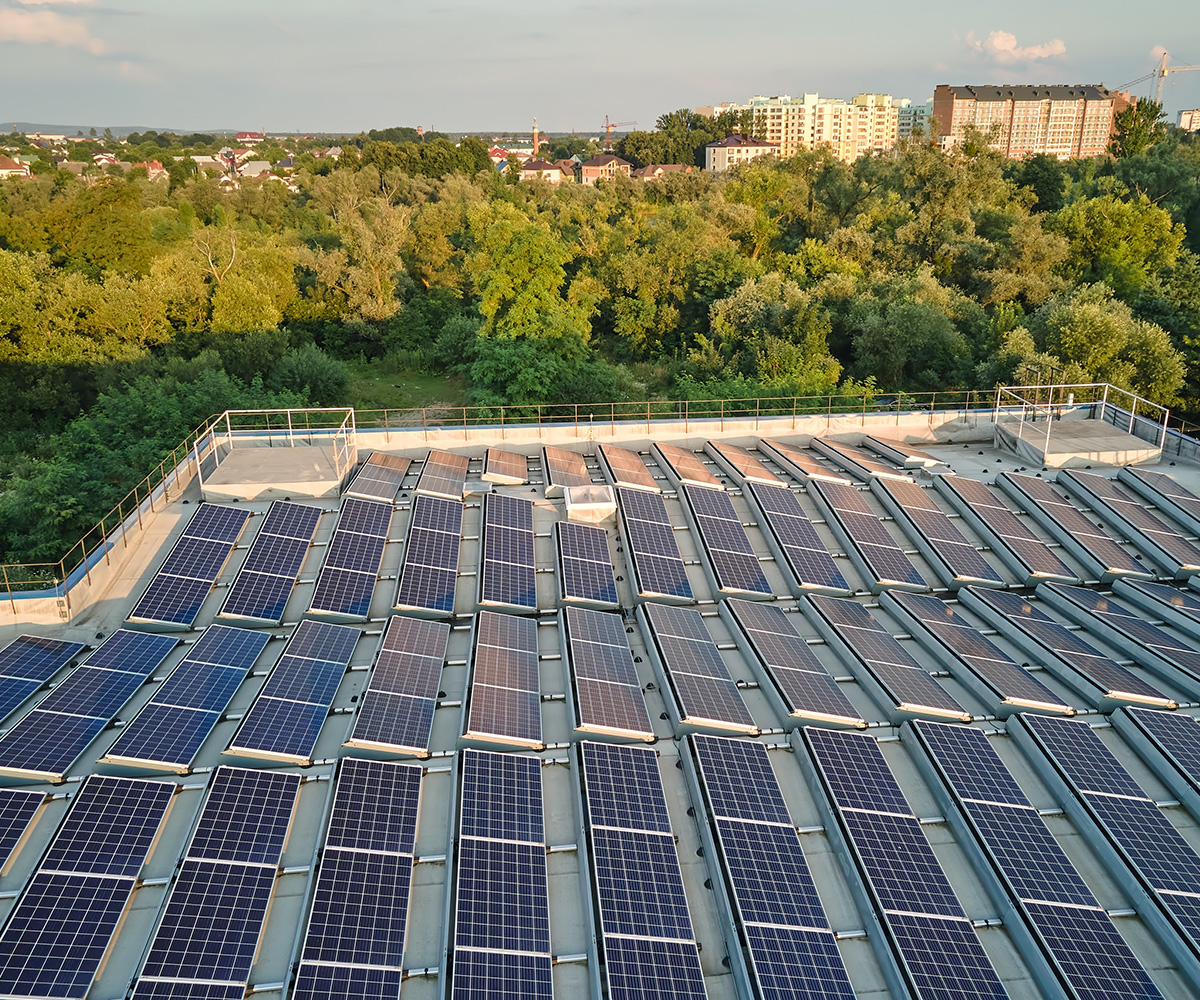
The UK’s commercial rooftops remain one of the most underutilised energy assets in the country.
There is:
- 420 million sq ft of warehouse roof space
- Potential to generate 13.8 TWh of clean electricity annually
Yet deployment still lags behind potential.
Projects like Iceland’s show what’s possible, but scaling this across industry requires not just ambition, but the right financial model.
So, What’s Right for Your Business?
There’s no one-size-fits-all answer.
The right approach depends on:
- Your capital priorities
- Risk appetite
- Operational capabilities
- Long-term energy strategy
But one thing is clear:
The decision isn’t whether to adopt solar, it’s how to structure it.
Download the Guide
To explore the differences in detail, download our guide:
Powering Commercial Decarbonisation: A Strategic Comparison of Solar Financing Models
Inside, you’ll find:
- A side-by-side comparison of CAPEX, asset finance, and PPAs
- The impact of each model on cost, risk, and control
- Guidance tailored for CFOs, Sustainability Directors, and Asset Managers
Download our Capex vs PPA guide to understand which model best fits your business.